Exploring the Latest 3D Printing Innovations
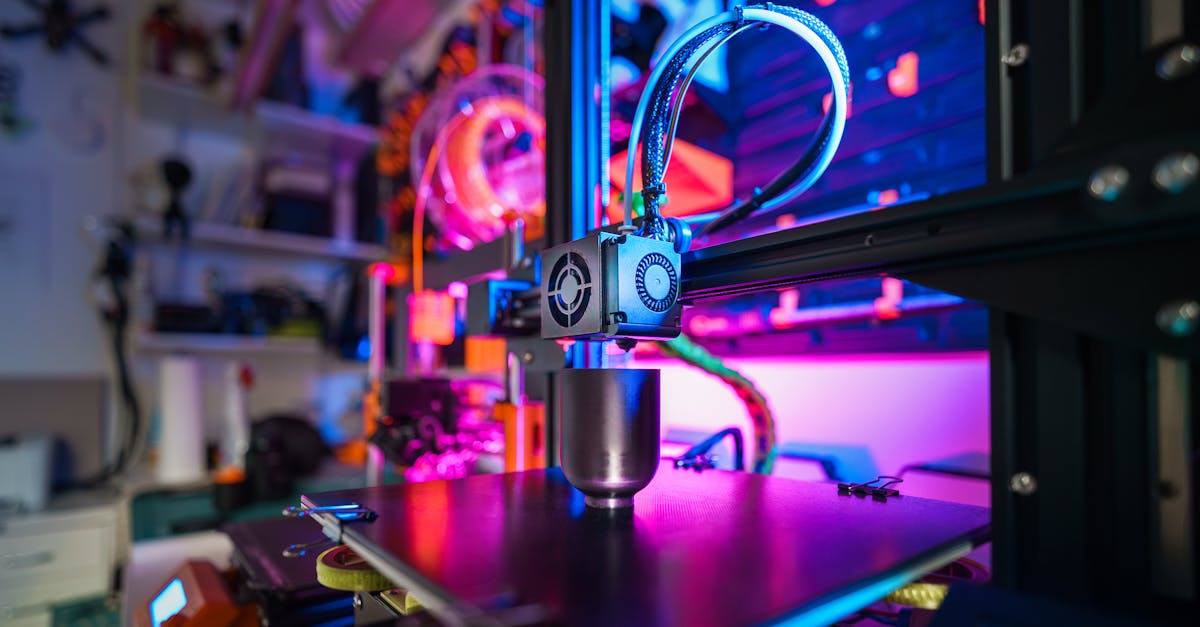
3D Printing Innovations are transforming industries, offering groundbreaking advancements in technology, design, and material use. From education to healthcare, these innovations are paving the way for a future where creativity and practicality merge seamlessly. This article explores the latest trends and breakthroughs in 3D printing, focusing on areas such as education, startups, sustainability, bioprinting, and advanced software tools. Young adults and professionals interested in 3D modeling and technology will find valuable insights into how these innovations are shaping the world.
Part 1: 3D Printing in Education
The integration of 3D printing in education is revolutionizing how students learn and engage with complex subjects. By offering hands-on experience, 3D printing allows students to transform theoretical concepts into tangible objects, enhancing comprehension and retention. This technology is particularly beneficial in STEM fields, where visualizing complex structures can be challenging. Schools and universities are increasingly adopting 3D printing to foster creativity and innovation among students.
One of the most significant impacts of 3D printing in education is its ability to democratize access to advanced tools and resources. Students can now design and print prototypes, models, and even functional devices, promoting a practical understanding of engineering and design principles. This hands-on learning approach not only enhances technical skills but also encourages problem-solving and critical thinking.
Tips
- 3D printing enhances hands-on learning in STEM fields.
- It democratizes access to advanced educational tools.
- Promotes creativity and innovation among students.
Part 2: Innovative 3D Printing Startups
The rise of innovative 3D printing startups is driving the industry forward with fresh ideas and cutting-edge technologies. These startups are exploring new applications and pushing the boundaries of what is possible with 3D printing. From developing new materials to creating bespoke products, startups are at the forefront of 3D printing innovations.
One such area of innovation is the development of customized medical devices and prosthetics. Startups are leveraging 3D printing to produce tailored solutions that meet the specific needs of patients, improving comfort and functionality. Additionally, startups are exploring the potential of 3D printing in industries such as fashion, architecture, and automotive, creating unique and sustainable products.
Tips
- Startups are crucial for driving 3D printing innovations.
- They focus on bespoke and sustainable product development.
- Medical applications are a key area of startup innovation.
Part 3: Sustainable 3D Materials
Sustainability is a growing concern in the 3D printing industry, leading to the development of sustainable 3D materials. These materials are designed to minimize environmental impact while maintaining the quality and functionality of printed objects. Innovations in this area include the use of biodegradable plastics, recycled materials, and bio-based polymers.
The adoption of sustainable 3D materials is not only beneficial for the environment but also offers economic advantages. By reducing material waste and energy consumption, businesses can lower production costs and improve efficiency. As the demand for eco-friendly products increases, sustainable 3D materials are becoming a competitive advantage for companies in various industries.
Tips
- Sustainable materials reduce environmental impact.
- They offer economic benefits by reducing waste.
- Eco-friendly materials are a competitive advantage.
Part 4: Bioprinting Breakthroughs
Bioprinting is one of the most exciting areas of 3D printing innovations, with breakthroughs that have the potential to revolutionize healthcare. This technology involves printing living cells to create tissues and organs, offering promising solutions for organ transplants and regenerative medicine.
Recent advancements in bioprinting include the development of complex tissue structures and the ability to print with multiple cell types. These innovations are paving the way for more accurate and functional biological constructs, bringing us closer to the goal of printing fully functional organs. The implications for healthcare are immense, with the potential to reduce organ transplant waiting lists and improve patient outcomes.
Tips
- Bioprinting is revolutionizing healthcare with living tissue printing.
- Advancements include complex tissue structures and multi-cell printing.
- Potential to reduce organ transplant waiting lists.
Conclusion
3D printing innovations are reshaping industries and creating new possibilities for design, manufacturing, and healthcare. From education to sustainable materials and bioprinting, these advancements are driving the future of technology and offering exciting opportunities for young adults and professionals. As the industry continues to evolve, staying informed about the latest trends and breakthroughs will be crucial for those looking to leverage 3D printing in their careers and projects.
Key Takeaways
- 3D printing in education enhances hands-on learning and creativity.
- Startups are driving innovation with bespoke and sustainable products.
- Sustainable 3D materials offer environmental and economic benefits.
- Bioprinting breakthroughs have the potential to transform healthcare.
Leave a Reply